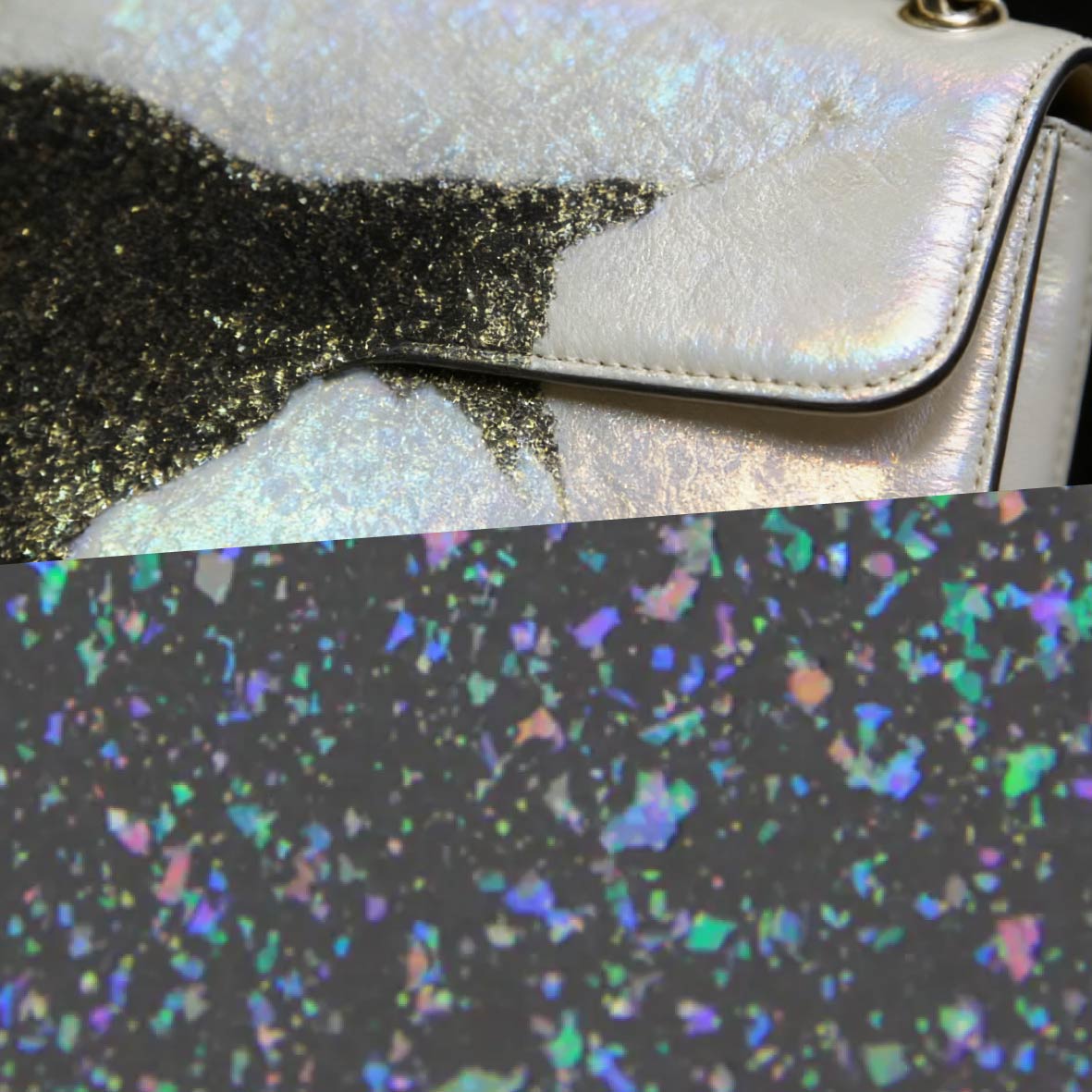
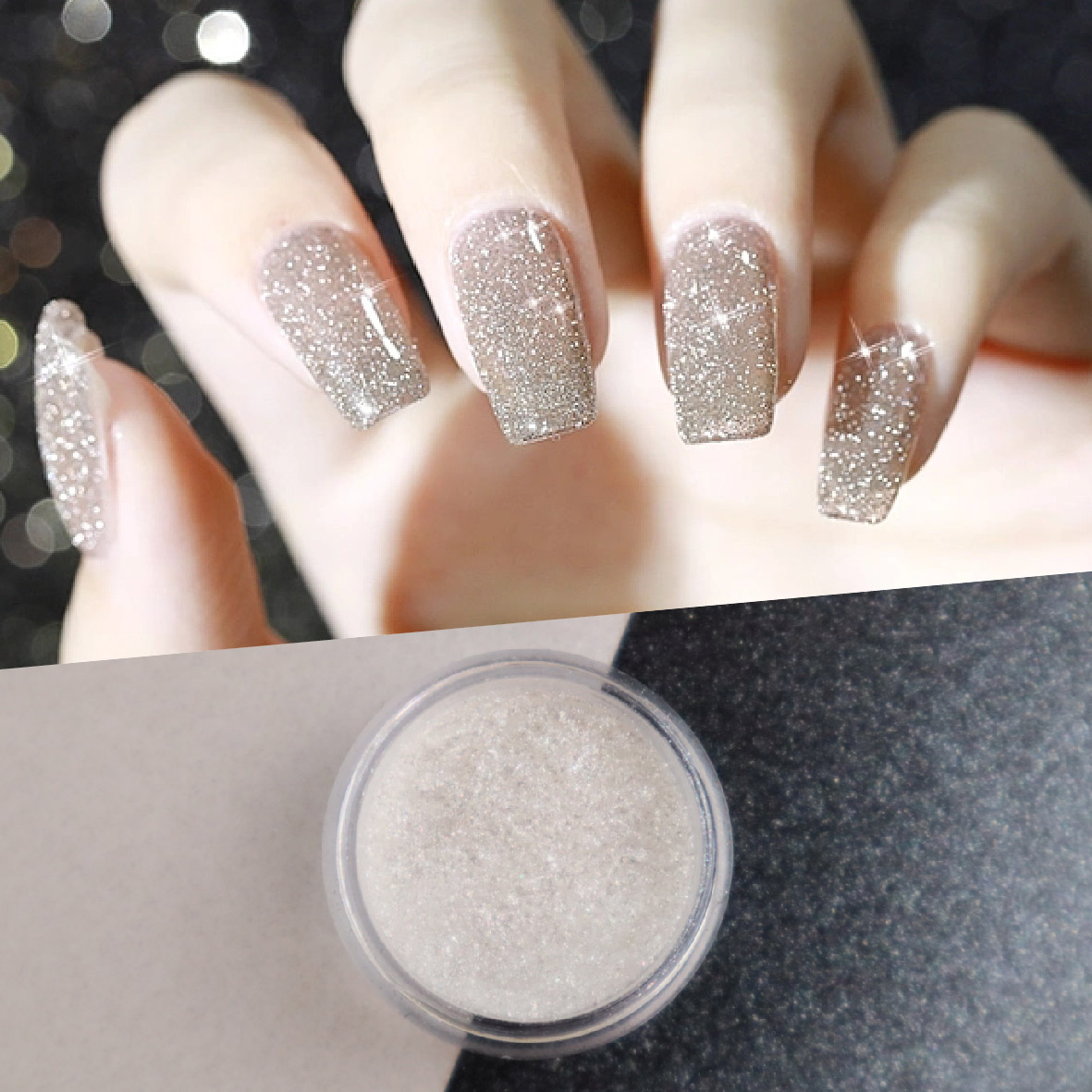
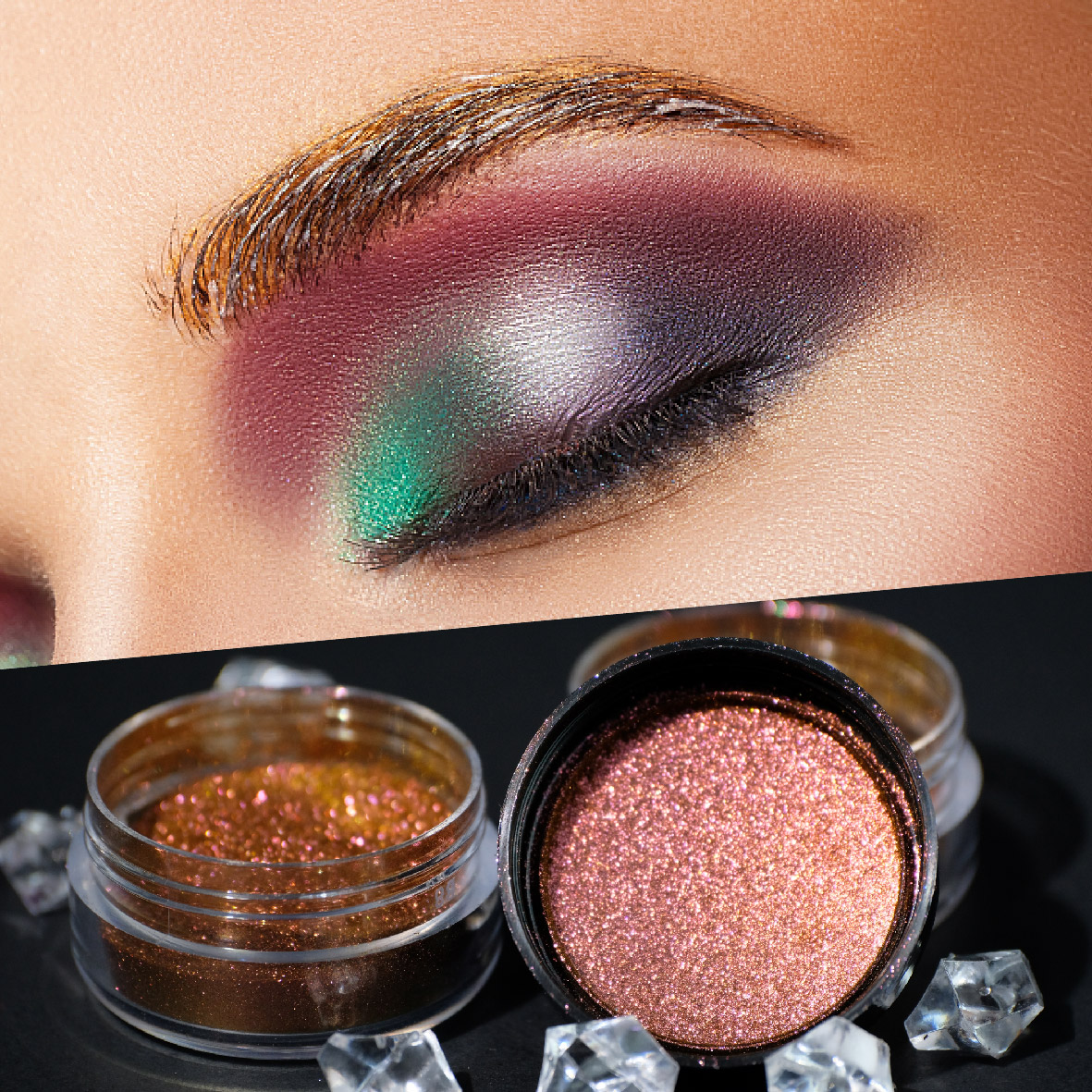
Is grúpa de mhianraí leatháin sileacáit é Mica a scoilteann gan stró ina calóga ultra-tanaí, solúbtha. I gcúram craicinn agus i gcosmaidí datha, aistríonn an tréith fhisiceach sin duillín shíoda, frithchaitheamh solais láithreach, agus doiléir le fócas bog a íoslaghdaíonn cuma línte míne. Ní comhábhar gníomhach é a dhéileálann le craiceann; is mianra feidhmiúil é a sheachadann uigeacht, gealtacht agus réidh amhairc.
Tá an mianraí le feiceáil i ngach rud ó phúdair scaoilte scaoilte go snasta liopaí, ach téann a luach thar shimmer simplí. Braitheann foirmlitheoirí ar mica le haghaidh cúig phríomh-airíonna: idirleathadh solais, inleathadh feabhsaithe, fionraí lí, greamaitheacht feabhsaithe, agus comhsheasmhacht datha baisc-go-bhaisc. Toisc go bhfuil na pláitíní ailínithe go comhthreomhar leis an gcraiceann, cruthaíonn siad scannán aonfhoirmeach a mhothaíonn gan mheáchan agus iad ag treisiú clúdach - gan teimhneacht a chur leis ó dhé-ocsaíd tíotáiniam throm amháin.
Tacaíonn Mica le forbairt dathanna freisin. Nuair a bhíonn sé brataithe le ocsaídí miotail cosúil le ocsaíd iarainn nó dé-ocsaíde tíotáiniam, táirgeann sé éifeachtaí pearlescent, miotalach nó trasnaíochta. Mar sin is comhábhar cnámh droma é i scáthanna súl, aibhsiú, blushes, agus fiú moisturizers tinted áit a bhfuil glow nádúrtha, lit-ón-laistigh an sprioc.
Déantar mica nádúrtha a bhaint as an domhan, rud a thugann isteach éagsúlacht i rian-ábhar mianraí, éilliú miotail throma, agus maoirseacht eiticiúil a bhaineann le mianadóireacht mhionscála neamhrialaithe. Déantar mica sintéiseach - a lipéadaítear go minic mar fhluairfhlógaipít shintéiseach ar liostaí INCI - a mhonarú faoi choinníollacha rialaithe. Is é an toradh ná pláitíní le náid miotail throma, aonfhoirmeacht dath foirfe bhaisc-go-bhaisc, agus leibhéal íonachta i bhfad níos airde.
Maidir le craiceann íogair nó táirgí limistéir súl fágála, íslíonn mica sintéiseach an phróifíl riosca go mór. Léiríonn anailísí neamhspleácha gur féidir le mica nádúrtha luaidhe inbhraite, arsanaic, agus mearcair a bheith iontu, agus déanann fluairfhlógaipít sintéiseach a mhonaraítear i gceart tástáil rialta faoi bhun na dteorainneacha inchainníochtaithe. Aistríonn brandaí a thugann tosaíocht do bhith-chomhoiriúnacht agus do chomhlíonadh rialála i dtreo gráid shintéiseacha, rud a chuireann deireadh freisin leis na hábhair imní a bhaineann le saothair leanaí atá doiciméadaithe i roinnt réigiún saibhir mica.
| Maoin | Mica Nádúrtha | Mica shintéiseach |
|---|---|---|
| Foinse | Mianra mianaigh | Lab-sintéiseithe |
| Riosca miotal trom | Arsanaic ócáideach, luaidhe, mearcair | Faoi bhun teorainneacha braite |
| aonfhoirmeacht pláitíní | Athrú measartha | Go docht rialaithe |
| Deimhniú eiticiúil | Deacair a ráthú | Go bunúsach saor ó shaincheisteanna mianadóireachta ceardaithe |
| Costas tipiciúil | Íochtarach | 15-40% níos airde |
| Sampla INCI | Mica (CI 77019) | Fluairfhlógaipít shintéiseach |
Úsáideann go leor foirmlithe chun cinn anois foshraitheanna sintéiseacha, lena n-áirítear líocha Pearl glitter neamh-peataí , chun éifeachtaí iontacha a sheachadadh gan na comhbhabhtáil íonachta. Ní fálú rialála amháin atá san aistriú i dtreo sintéiseacha—táirgeann sé taisteal dathanna níos glaine agus níos gile i líocha trasnaíochta.
Braitheann próifíl sábháilteachta mica ar a fhoinse, ar mhéid na gcáithníní, agus ar láithreacht sraitheanna brataithe. Meastar go ginearálta go bhfuil mica nádúrtha neamhbhrataithe le meánmhéid na gcáithníní os cionn 10 µm neamh-ghreannmhar agus neamh-íograithe ag FDA na SA agus ag bunachar sonraí CosIng na hEorpa araon. Sannann bunachar sonraí EWG Skin Deep scór íseal guaise de 1–2 don chuid is mó de mica de ghrád cosmaideacha.
Is féidir le pláitíní níos mó (60–120 µm) mothú gritty ar chraiceann lagaithe. Maidir le coimpléisc imoibríocha nó rosacea-seans maith, is fearr a fheidhmíonn gráid le luachanna D50 faoi 15 µm. Is minic gurb é fluorphlogopite sintéiseach an chéad rogha anseo toisc go bhfuil a dhromchla réidh aonfhoirmeach ina chúis le níos lú cuimilte meicniúil. Is féidir le rianta nicil agus cóbalt a fhaightear ó am go chéile i mica nádúrtha neamhchóireáilte dheirmitíteas teagmhála ailléirgeach a spreagadh, cé go bhfanann cásanna den sórt sin annamh.
Ní chloíonn Mica pores leis féin. Mar sin féin, i bhfoirmlithe trom-ola-bhunaithe, is féidir le cáithníní móra sebum a ghabháil mura mbaintear an táirge i gceart. Braitheann an riosca ar fhoirmliú, ní ar chomhábhair. Is minic a fheabhsaíonn táirgí púdar le shilice sféarúil taobh le mica mín mothú craiceann gan cur le greannacht.
Ní chuireann aon chomhlacht rialála srian le húsáid mica le linn toirchis nuair a chuirtear i bhfeidhm go topaic é. Suíonn an mianraí ar dhromchla an chraiceann - ní shúnn sé isteach sa sruth fola. Chun an riosca iargúlta a bhaineann le neamhíonachtaí miotail throma a dhíchur, is minic a mholann cliniceoirí agus foirmlitheoirí mica sintéiseacha le haghaidh cosmaidí sábháilte máithreachais.
Tosaíonn roghnú grád mica le méid na gcáithníní. Cinneann an luach D50 - an trastomhas airmheán - an chothromaíocht idir sparkle, clúdach, agus greamaitheacht craicinn. Seachadann aibhsitheoir a tógadh le pláitíní 60–120 µm flashes miotalach, cosúil le scáthán, agus éilíonn púdar socraithe 5–15 µm cáithníní le haghaidh lonrachas dofheicthe le fócas bog.
Meaitseáil méid na gcáithníní le formáid an táirge sula ndéantar dath nó bratú a mheas. Léirítear sa tábla thíos gnáthfheidhmíocht trasna feidhmeanna coitianta cosmaidí. Tá cruth na gcáithníní tábhachtach freisin: táirgeann calóga an-tanaí a bhfuil cóimheas ardghné acu clúdach níos teimhneach, agus cuireann pláitíní níos tibhe béim ar spréach.
| Raon Méid na gCáithníní (D50) | Éifeacht Amharc | Feidhmchlár is Fearr | Mothaigh Craiceann |
|---|---|---|---|
| 5–25 µm | Luster subtle, clúdach ard | Púdair brúite, fondúireachtaí | Ultra-réidh, velvety |
| 10–60 µm | Péarla bog, sparkle measartha | Scáth súl, blush | Silky, fiú scaipeadh |
| 30–90 µm | Scimmer geal, sparkle suntasach | Aibhsithe, shimmer coirp | Cáithníní beagán inbhraite |
| 60–120 µm | Éifeacht glitter dian | Barraí scáth súl ar mhórán lí, snas ingne | Splanc uigeachta, sainiúil |
Le haghaidh brilliance fíor diamaint, líocha pearlescent diamanta le ciseal rialaithe go beacht a thairiscint ar ais solas ard gan garbh an glitter mór. Agus éifeacht déchrome á dhearadh, cuir isteach mica isteach le bonn trédhearcach agus déan tástáil ar 0.5–2% de mheáchan na foirmle roimh an scála.
Tá cleachtais saothair mhí-eiticiúil i mianadóireacht mica, go háirithe i gcodanna den India agus Madagascar, tar éis an tionscal cosmaidí a bhrú i dtreo slabhraí soláthair trédhearcacha. Níl deimhnithe agus meicníochtaí inrianaitheachta roghnach a thuilleadh - is ionchais bhonnlíne iad d'aon bhranda a bhfuil tiomantas poiblí aige don inbhuanaitheacht.
I measc na ndeimhnithe tábhachtacha a thugann sláine eiticiúil le fios tá slabhra coimeádta na Comhairle Seodra Freagrach (RJC), deimhniú Fair Mica, agus ISO 14001 do bhainistiú comhshaoil. Soláthróidh soláthraí inchreidte doiciméadú iomlán ar an turas mianach go muileann, iniúchtaí neamhspleácha tríú páirtí, agus tuarascáil díchill chuí phoiblí. Mura féidir le soláthraí léarscáil tionscnaimh doiciméadaithe a sholáthar dá mica nádúrtha, glac leis an riosca.
Tá go leor foirmlitheoirí réamhbhreathnaitheacha anois ar an tsaincheist go hiomlán trí úsáid a bhaint as fluorphlogopite sintéiseach, rud a chuireann deireadh le mianadóireacht ar fad. Ba cheart go n-éileodh brandaí ar fearr leo mica nádúrtha fós iniúchtaí sóisialta ar an láthair agus a dhearbhú nach bhfuil aon leanaí faoi 15 i láthair sa slabhra soláthair. Tá inrianaitheacht blockchain-bhunaithe glactha ag dornán déantúsóirí freisin, cé go bhfuil líon na n-iarratas teoranta i gcónaí.
Tá pláitíní Mica comhleanúnach; cloíonn siad lena chéile agus le ballaí coimeádáin má chuirtear tirim leo. Réitíonn céim réamh-scaipeadh caighdeánach in ola iompróra comhoiriúnach an chuid is mó de na tinneas cinn próiseála. Lean an seicheamh seo do chórais ola-bhunaithe nó ainhidriúil:
I gcórais uiscebhunaithe nó eibleachta, fliuch an mica le méid beag glycerin nó propanediol sula dtabharfar isteach sa chéim uisce é chun snámh agus cúr a íoslaghdú. Líocha chameleon a aistríonn dathanna a cheangal ar lomadh fiú níos ísle - coinneáil luasanna meascáin faoi 1500 rpm chun na sraitheanna íogaire trasnaíochta a chosaint. I gcás táirgí púdair, cinntíonn scairdmhuilleáil nó cumasc ribín treoshuíomh comhsheasmhach pláitíní gan an struchtúr a bhrú.
Tá méadú tagtha ar roghanna eile seachas mica nádúrtha ó thaobh sofaisticiúlachta agus infhaighteachta araon. Braitheann an rogha ar cibé an bhfuil tú ag athsholáthar an fheidhm shimmer nó an mhaoin mórchóir-líonta. Tá trí phríomh-ionadaí i gceannas ar an margadh reatha.
| Malartach | Éifeacht Optúil | Leibhéal Costais | Is Fearr Le haghaidh |
|---|---|---|---|
| Fluairfhlógaipít shintéiseach | Ard-íonacht, pearl geal | Meán-ard | Aon táirge a éilíonn dintiúir áilleacht glan |
| borosilicate alúmanaim cailciam | Sparkle an-ard, bonn trédhearcach | Ard | Ard-end highlighters, luxury powders |
| Calóga gloine dé-ocsaíde tíotáiniam | Gile láidir, tsubstráit tiubh | Meánach | Snas ingne, glitter comhlacht glóthach-bhunaithe |
Soláthraíonn borosilicate alúmanaim cailciam, a dhíoltar go minic mar “péarla gloine,” an t-innéacs athraonta is airde agus an splanc is gile, ach teastaíonn láimhseáil chúramach uaidh - is féidir leis na himill ghéar a bhraitheann scríobach ar chraiceann mín mura bhfuil teorainn le méid na gcáithníní faoi 150 µm. Feidhmíonn calóga gloine atá brataithe le TiO₂ mar mhalairt glitter buan, saor ó phlaisteach i dtáirgí sruthlaithe. Maidir le táirgí aghaidhe saoire, is é fluairfhlógaipít shintéiseach an t-athsholáthar mica nádúrtha is comhoiriúnaí don chraiceann agus is neamhdhíobhálaí don rialáil.
An féidir le mica aosú craiceann a luathú? Tá Mica támh go ceimiceach agus ní ghineann sé fréamhacha saor in aisce fiú faoi nochtadh UV lán-speictrim. D'eascair aon éifeacht aosaithe as baint neamhleor, ar saincheist glantacháin í, ní ceist mica.
An socraíonn mica i línte míne? Is féidir le cáithníní móra (os cionn 100 µm) bailiú i roic statach. Léiríonn cáithníní faoi 30 µm solas gan béim a chur ar uigeacht, rud a fhágann go bhfuil siad níos sábháilte le haghaidh foirmlithe craiceann aibí.
Conas ba chóir dom táirgí mica-bhunaithe a stóráil? Coinnigh coimeádáin séalaithe, ar shiúl ó thaise os cionn 60%, agus as solas díreach. Is cúis le taise comhiomlánú pláitíní agus dulling an dromchla frithchaiteach.
An vegan é mica? Is mianra é mica íon agus níl aon chomhábhair ann a dhíorthaítear ó ainmhithe. Mar sin féin, féadfaidh roinnt micas brataithe carmine nó seileaic a úsáid - deimhnigh comhdhéanamh an bhrataithe le do sholáthraí i gcónaí.